How to Prevent Wasp Nests On & Around Your Home
Share this post:
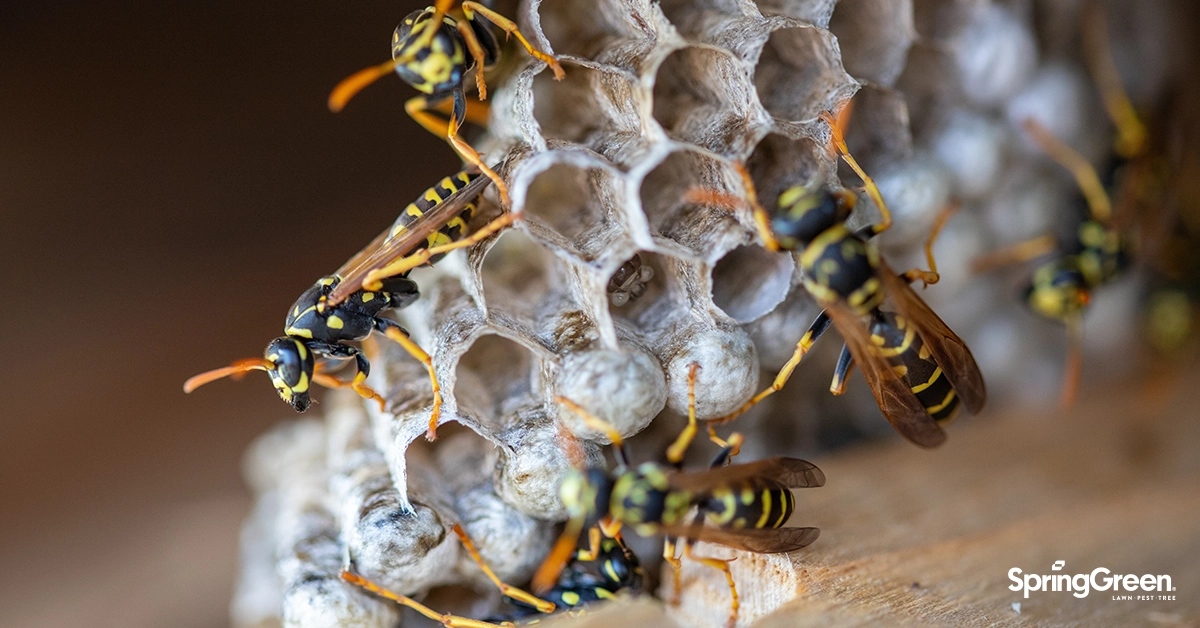
During mid to late summer, wasp activity, along with outdoor temperatures, begins to heat up. If you notice wasps and their nests showing up around your home during the summer months, you don’t have to be a prisoner to the threat of these buzzing, flying pests. While we cohabit with nature and many of nature’s creatures, wasps can pose a threat to our well-being if left unchecked. For this reason, it’s important to level up your knowledge of wasps and take a few easy steps to keep them at bay. Of course, if you are having a wasp invasion that’s gotten out of control, it might be necessary to call in an expert to help you rid your area of these stinging insects. If that’s the case, contact your local SpringGreen pros to find out if they’re offering wasp services to assist you. Let’s prepare by exploring how wasps get attracted to your home, what the early signs of a wasp nest invasion look like, as well as how to remove wasps and their nests when they do pop up.
Preventing Wasp Nests: How to Stop Wasps from Building Nests
Wasps build nests fast. The key is prevention and early detection: spot small starter nests and rising wasp traffic, then act to remove the wasp nest before they expand. It also helps to review how to keep wasps away from your home so nests never get started in the first place.
Removing What Attracts Wasps, Hornets & Yellowjackets
Wasps are most attracted to sweet foods such as open cans of pop, fruit juice, fallen apples underneath fruit trees, among others. It’s best to clean up quickly after your outdoor BBQ and not leave these sweets out for long. They are also drawn to sugary residues on outdoor tables, sticky drink containers, and even pet food left outside. Regularly empty trash bins, keep lids tightly closed, and rinse recyclables to reduce tempting food sources. By removing what attracts them, you make your yard far less appealing for wasps, hornets, and yellowjackets looking to nest nearby.
Avoid Attracting Wasps Nests to Your Home
By understanding what places attract wasps to build their nests, you can prevent the problem before it begins (best-case scenario). Here are some tips to keep the wasps from feeling compelled to make nests on your home:
- Clove-Geranium-Lemongrass Oil Blend – A combination of clove, geranium, and lemongrass essential oils has been successful in keeping wasps away. You can spray the mixture in areas where you know wasps might want to build their nests like under your home's eaves, porch, ledges, and crevices.
- Wasp Traps – Another option to keep unwanted visitors from setting up home base on your property is wasp traps. They lure the wasps in and then trap them inside. They can be purchased at the store or easily made yourself.
- Close Gaps – Now that we know the places that wasps like to settle in, you can certainly make some small improvements and cleaning efforts to keep the nesting at bay. Sealing up cracks and tidying up debris can reduce places for wasps to make their nests.
Types of Wasps and How They Build Nests
Aside from understanding what attracts a wasp, you must also learn about where they like to build nests. Wasp nests vary based on the stinging insect that makes its home there. So, let’s start our wasp-related learning quest with a quick primer on the types of wasp and nests:
Yellowjacket Nests
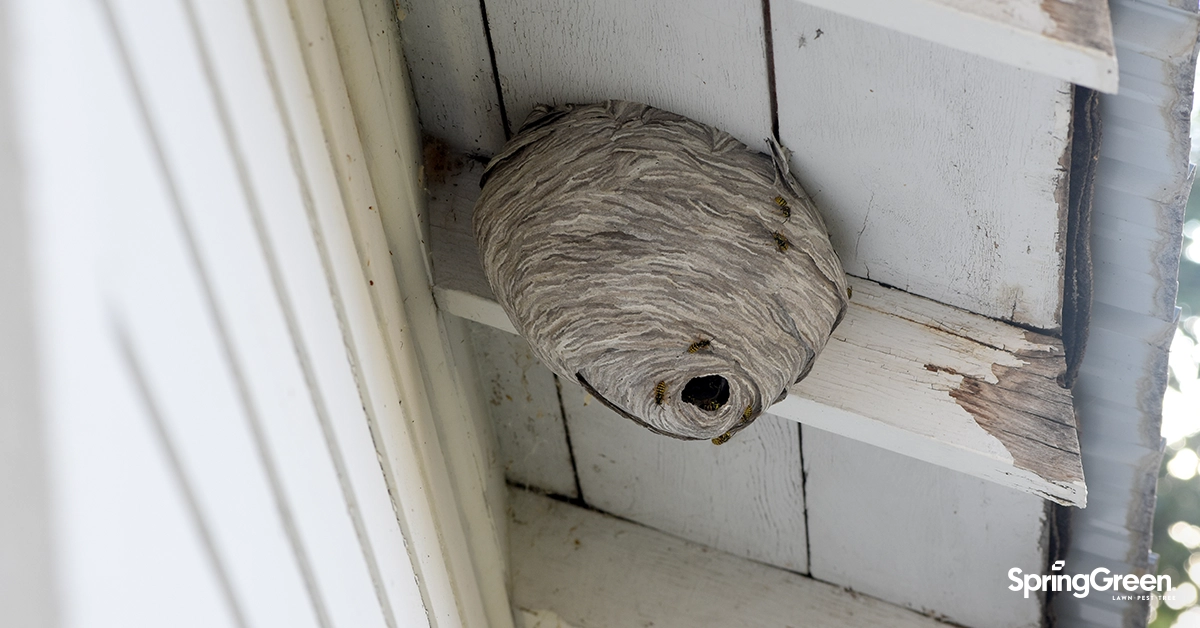
Yellowjackets usually seek out abandoned rodent homes, old logs, or any empty hollow structure to build their nests. A yellowjacket may build a hanging nest off the ground on occasion as well. This type of wasp nest will have a thick protective layer and one point of entry.
Hornet Nests
The European hornet is the most common type of hornet. Their nests also consist of the outer protective layer with tiers on the inside. They are most commonly found above the ground in tree cavities or other raised empty spaces, typically at least six feet above the ground.
Paper Wasp Nests
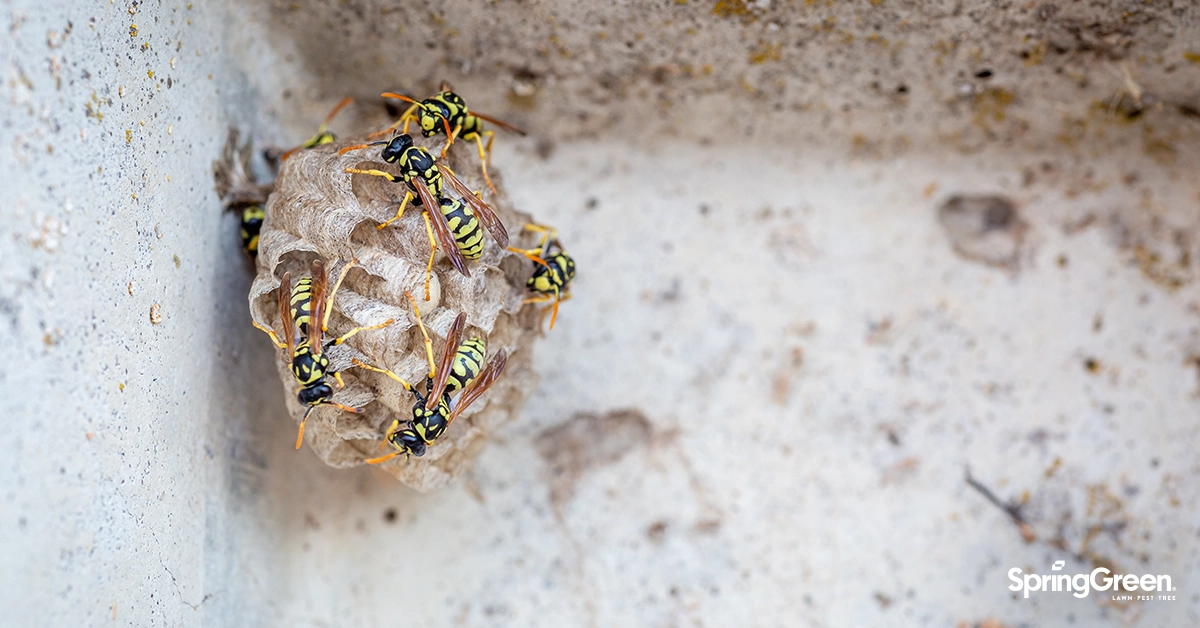
The nest of the paper wasp will not have the protective outer layer like the hornet and yellowjacket nests. This nest will have cells that look like an open umbrella. Paper wasps craft their nests under roofs, up in tree branches, and in the overhangs of sheds, attics, and garages.
Mud Dauber Nests
Mud daubers are loners, so they build homes for themselves only. Their nests are made up of their own saliva mixed with soil to make mud that is molded into a nest that can appear on the side of a building or a hole in the ground.
Safe Removal of an Existing Wasp Nest
Safely removing wasps nests near your home or in your yard is not easy. As you can imagine, the wasps can be aggravated when you start to mess around with their home. You have a couple of choices here: you can go it alone and get rid of the wasps yourself, or you can call in a professional to do the work for you. Here are some tips and help in making that decision:
Do-It-Yourself Wasp Nest Removal Strategy
If your wasp nest is not overly large and not overly populated, you may be able to get rid of it yourself. If there’s an exposed nest near your home, you may choose to use a wasp spray. Be sure to wear gloves and protective eyewear along with long pants and sleeves when you apply the poison. The best time of day is early morning when most wasps will still be inside the nest with minimal activity. Also, be sure you can back out of the area quickly after you bother the wasps. Leave the area for a day or two and then check for any signs of wasps still lingering, in which case, you may need to repeat. If the wasp’s nest is tucked behind a wall or deck, it’s much harder to get rid of. You may need to drill holes and apply a dust insecticide through the holes.
Professional Pest Removal Service to Remove a Wasp Nest Safely
If you have an extremely large (in size or quantity) wasp presence or if the wasps are deeply embedded into a structure, you may be better off calling professionals to assist. Trained pest control technicians have the proper equipment and protective gear to remove nests safely and reduce the risk of wasps stinging or wasp nests returning.
The Case for Getting Rid of Wasp Nests is Strong
So, if we want to coexist with the natural world and try to reduce our carbon footprint, can’t we just leave wasp nests alone? The answer, in this case, is no. The reality is that most wasp nests grow in size and become a risk to you and your family. To put things in perspective, a yellowjacket nest can contain thousands of wasps. If disturbed, it can cause them to become aggressive and attack – causing pain, possible allergic reactions, and potentially serious health threats.
Local Wasp Nest and Pest Removal Services with SpringGreen
SpringGreen, your neighborhood lawn care and pest removal service since 1977, also specializes in pest control which includes wasp removal and prevention services. From pesky mosquitoes to buzzing wasps making their nests on and around your home, SpringGreen is here to help with your pest control needs. Not all pest services are available at all SpringGreen locations. Please contact your local SpringGreen professional to check if these services are available in your area.
***Updated 09/19/25***