Why Are Mushrooms Growing In My Lawn? Causes, Facts, & Fungi Control
Share this post:
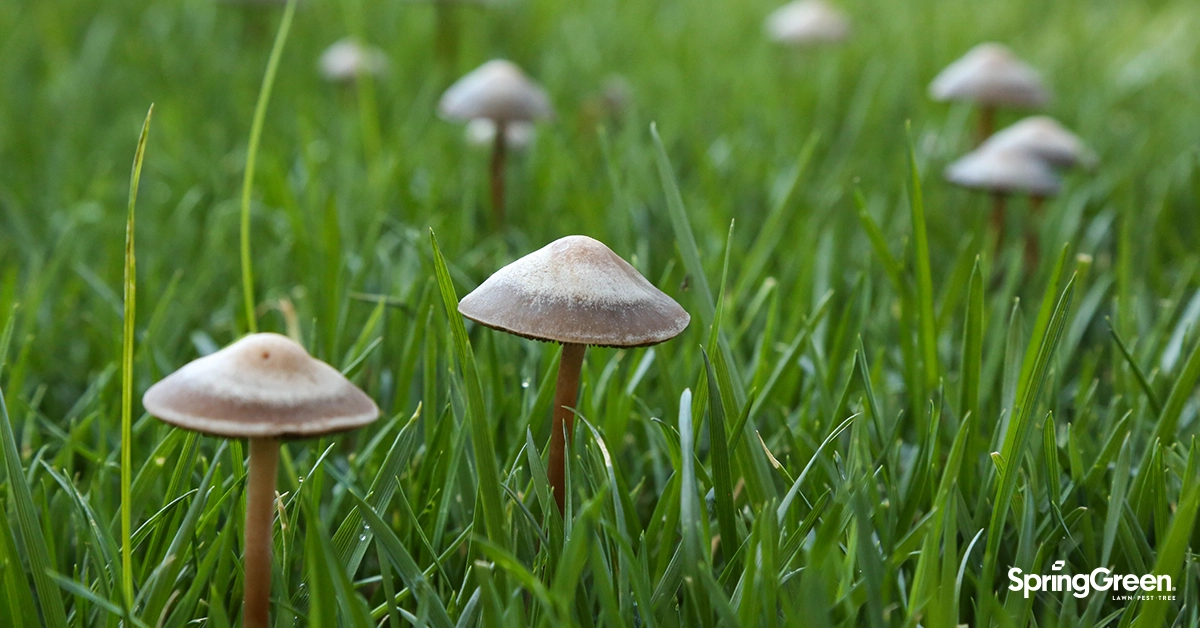
Mushrooms don’t mean your lawn is dying, they usually mean it’s alive and thriving. These sudden sprouts are the fruit of underground fungi breaking down old roots, wood, and organic matter. When the soil is damp and conditions are right, mushrooms appear overnight as part of nature’s recycling system.
Sometimes homeowners become concerned when they see mushrooms growing in their lawns. It is understandable, but it is usually not an indication of a disease problem. Mushrooms are the fruiting bodies of fungi that break down organic material. This could be an old root left from a tree that was removed in the past, it could be from construction material that remained in the lawn when it was back-filled, or it could be a natural occurrence of the fungi that reside in the soil.
Your soil is loaded with all sorts of bacteria, fungi, and protozoa that are living and growing and fighting for survival. Most of these organisms are beneficial and are supposed to be there. They often supply root systems with food in exchange for exudates from the roots that the organisms need for survival. Part of the life cycle of some of these fungi is a means to reproduce; hence they will develop a fruiting body, which is the mushroom. In most cases, the mushrooms only live for a day or so and then die after they have released thousands of spores. Often mushrooms are more plentiful during warm, wet weather, but they can develop in other weather conditions as well.
Fungi Facts: What You Should Know About Lawn Mushrooms
Before you start worrying about mushrooms in your grass, it helps to understand what they really are and what they mean for your lawn.
General Information About Mushrooms and Fungi in Soil
Mushrooms are the visible fruiting bodies of fungi that live in your soil year-round. While they may suddenly appear in your lawn, the fungi have likely been there for a long time, quietly working beneath the surface. These underground networks, called mycelium, help break down organic material such as dead roots, leaves, and wood. This natural recycling process enriches the soil, making it healthier for grass and plants.
In other words, when you notice mushrooms in your lawn, it usually means the soil is rich and active, not that something is wrong. Normal mowing will control most mushrooms, or you can kick them to break off the tops or pick them by hand. If you are going to pick them, be sure to dispose of them in your compost pile or garden waste bags.
Still thinking that you need a professional opinion? Check out our lawn care services.
Why Mushrooms Appear in Lawns
The sudden growth of lawn mushrooms happens when the right conditions align: moisture, shade, and decaying organic matter. After heavy rainfall or frequent watering, the soil becomes damp enough to trigger mushrooms to “fruit.” This is part of their natural life cycle, allowing them to release spores and reproduce.
Mushrooms often sprout in areas where an old tree was removed, where buried wood or roots are decomposing, or simply in spots with plenty of shade and organic debris. Warm, wet weather provides the perfect environment, which is why homeowners often see mushrooms growing in yards during spring and summer.
Are Mushrooms in Lawns Harmful or Beneficial?
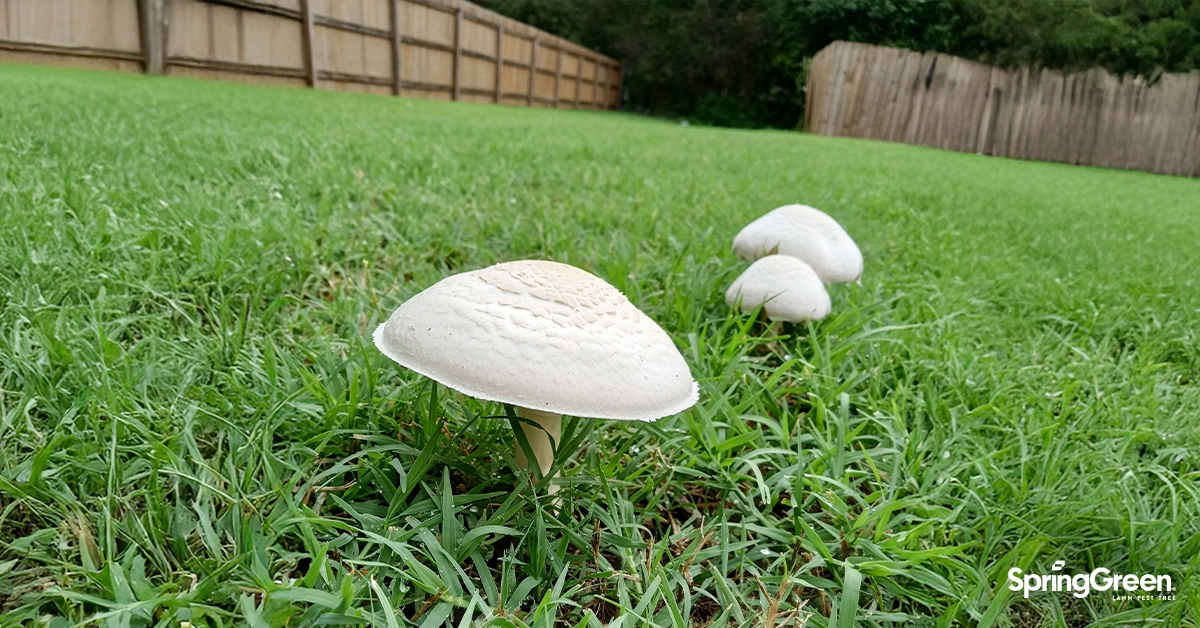
For most homeowners, lawn mushrooms are more of an aesthetic concern than a danger. In fact, their presence often signals a healthy lawn ecosystem. The fungi are doing valuable work by breaking down organic material and returning nutrients to the soil.
That said, some wild mushrooms can be toxic if eaten by children or pets. While the fungi themselves aren’t harming your grass, it’s a good idea to remove mushrooms from the lawn if you have curious kids or animals. Otherwise, they can be left alone to complete their life cycle, where they typically disappear within a day or two.
Why Are Mushrooms Growing on Your Lawn or Garden?
If you’ve spotted mushrooms sprouting, there are a few common reasons why they’ve chosen your yard as home.
Common Causes of Mushrooms in Lawns and Gardens
If you’re wondering “Why do I have mushrooms in my lawn?” or “Why are mushrooms growing in my yard?”, the answer usually comes down to three main factors: moisture, shade, and organic debris.
- Moisture: Mushrooms thrive in damp soil. Overwatering, poor drainage, or recent rainfall creates the perfect environment.
- Shade: Shady spots with limited sunlight dry out slowly, keeping the soil moist for longer periods.
- Decaying Organic Matter: Old tree roots, buried wood, grass clippings, or other organic debris act as a food source for fungi, fueling mushroom growth.
These conditions combine to create fertile ground for mushrooms to pop up, especially in healthy soils where fungi are already active.
Weather Conditions That Encourage Mushroom Growth
Mushrooms are strongly tied to weather. They typically appear during warm, wet periods when soil stays consistently moist. After summer storms or several days of rain, many homeowners notice mushrooms scattered across their yards. Even morning dew combined with warm daytime temperatures can trigger growth.
The more humid your climate, the more likely you are to see mushrooms in your grass or garden. That’s why mushrooms are common in regions with rainy springs and summers.
Regional Differences: Mushrooms in Florida and Other Areas
Mushroom growth also varies by region. For example, wild mushrooms in Florida are extremely common because of the state’s hot, humid climate and frequent rain. In contrast, lawns in drier regions may only see mushrooms after extended rainfall or irrigation.
No matter where you live, the same principles apply: when fungi have moisture, shade, and organic matter, mushrooms will eventually appear.
How to Get Rid of Mushrooms in Your Lawn and Prevent Them from Coming Back
If mushrooms in your yard bother you, there are safe and effective ways to manage them without harming your grass.
Safe Ways to Remove Mushrooms from Your Lawn
If you’re dealing with mushrooms growing in your lawn, the first step is safe removal. The quickest methods include:
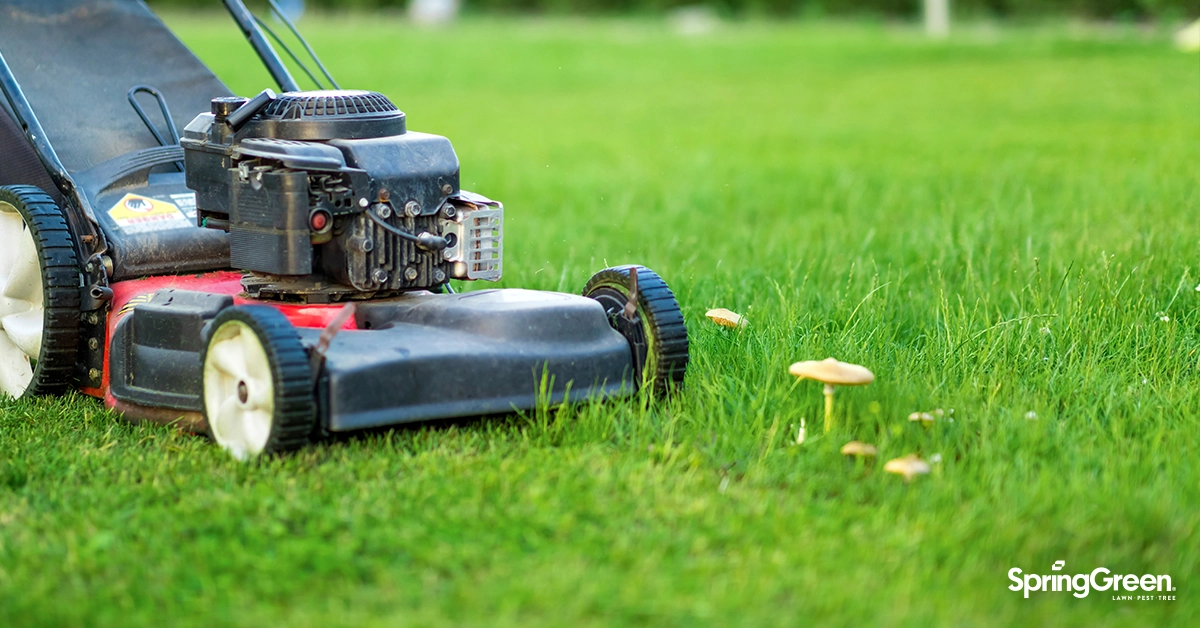
- Mowing over them: Regular mowing chops off mushroom caps before they release spores.
- Hand-picking: Pulling mushrooms by hand (with gloves) is effective, especially for small patches.
- Proper disposal: Discard mushrooms in a yard waste bag or compost bin to prevent spore spread.
Natural Remedies and Prevention Tips
Many homeowners wonder “How to get rid of mushrooms in my yard naturally?” The truth is, there’s no instant fix, but you can discourage them by changing the environment:
- Rake regularly to remove decaying leaves, grass clippings, and wood chips that feed fungi.
- Reduce watering to keep soil drier, especially in shaded areas.
- Improve sunlight exposure by trimming overhanging tree branches.
A simple natural remedy is sprinkling nitrogen-rich fertilizer. This speeds up the decomposition of organic matter in the soil, leaving fungi with less food to thrive on.
Lawn Care Practices That Reduce Mushroom Growth
Good lawn maintenance is the best long-term solution for yard mushrooms. Consider:
- Aeration: Loosens compacted soil, improving drainage and reducing the dampness mushrooms love.
- Dethatching: Removes thick layers of thatch (dead grass and roots) that trap moisture and provide food for fungi.
- Drainage fixes: If water pools in certain areas, leveling soil or adding drainage can help keep the lawn drier.
A healthier lawn environment makes it harder for mushrooms to appear in the first place.
What Not to Do When Trying to Kill Mushrooms
It may be tempting to pour household chemicals, bleach, or vinegar on mushrooms, but this can damage your lawn more than it helps. Store-bought fungicides aren’t usually effective for mushrooms either, since the fungus lives deep in the soil, not just on the surface.
Instead of harsh chemicals, focus on proper lawn care and environmental adjustments. While mushrooms may pop up again after rain, they’ll be fewer and less frequent if your yard is well-maintained.
What to Consider if You See Mushrooms Growing in Your Yard
Below are some key considerations when you see mushrooms in your lawn.
What Does It Mean When Mushrooms Grow in Your Yard?
Seeing mushrooms in your yard usually means your soil is healthy and full of organic matter. Mushrooms are nature’s recyclers, breaking down wood, roots, and debris into nutrients that feed your grass. Unless they’re forming Fairy Rings or covering large areas, they’re not harmful to your lawn.
Are Lawn Mushrooms Poisonous to Pets or Kids?
Some wild mushrooms can be toxic if eaten, so it’s safest to assume lawn mushrooms aren’t edible. If you have children or pets that might play in the grass, remove mushrooms promptly. Even if most yard mushrooms aren’t deadly, ingestion can still cause stomach upset or worse in pets.
Should I Remove Mushrooms from My Lawn or Leave Them?
You don’t have to remove mushrooms, they’ll often disappear naturally within a day or two. However, removing them keeps your lawn looking neat and prevents children or pets from accidentally eating them. Simply mow over them, pull them up by hand, or rake them into yard waste.
Will Mowing Mushrooms Spread Them More?
Mowing mushrooms won’t usually spread them, but it also won’t solve the root cause. The fungus lives in the soil, and the mushrooms you see are just the fruiting bodies. Regular mowing can help control their appearance, but improving lawn drainage and removing organic debris are more effective long-term solutions.
How Do I Stop Mushrooms from Growing After Rain?
You can’t completely prevent mushrooms from appearing after rain, but you can minimize them by:
- Improving drainage so your yard dries quickly
- Dethatching and aerating the soil to reduce excess moisture
- Raking up leaves, clippings, and other debris
- Applying nitrogen-rich fertilizer to speed up organic matter breakdown
Don’t Let Mushrooms Take Over Your Lawn
First comes rain, then comes the mushrooms! Not only does an abundance of rain mean that your grass is going to be growing at an unstoppable pace, it means that you’ll probably start seeing some mushrooms peaking up through the green. Mushrooms are fungi and in many cases they are beneficial since they are the fruiting bodies the organisms that break down organic matter, like thatch, old roots, branches and other remnants of buried wood that may exist underground in your lawn. The mushroom cap that we see in our lawns is just one small part of a much larger organism that is feeding on some form of organic material within the soil. This feeding process is an essential part of the soil food chain that helps to recycle nutrients between living and dead organisms. Many times, customers will call their local Spring-Green office and ask what we can do about mushrooms growing in their lawn. From an application standpoint, there is nothing we can spray on the lawn or mushrooms that will affect them. We recommend that the mushrooms be removed in some fashion, like picking them and throwing them away or mowing them off or even kicking them to break them apart. There are many different species of mushrooms that may grow in a lawn. They can range from little button mushrooms to large ones like puffballs. I have seen all sorts of colors and shapes over the years. The only time I am ever concerned is when the mushrooms are growing in a ring or follow a circular path in the lawn. When I see that, it tends to point to a problem with Fairy Ring.
Why Mushrooms Grow in Circles (Fairy Rings)
One of the most puzzling sights for homeowners is mushrooms forming a ring or arc across the lawn. This phenomenon, known as a Fairy Ring, happens as the underground fungal network expands outward in search of food. The mushrooms fruit at the edges of this expanding mycelium, creating a nearly perfect circle.
Fairy Rings can sometimes affect the appearance of your lawn by leaving patches of discolored or dying grass. While they look unusual, they’re simply part of the fungus’s natural growth pattern.
Resolving Fairy Ring in Lawns
Fairy Rings are fungi that are growing in the soil, decomposing some type of organic material and releasing excess nutrients back into the soil. These nutrients, especially nitrogen, can be picked up by the grass plants and form darker green arcs and circles the lawn. The fungi can persist in a lawn for years and grow into a larger and larger ring. Although there are fungicides available to treat Fairy Ring, the easiest and most cost effective route is to aerate the lawn, paying extra attention where the ring and or mushrooms appear. By increasing the amount of water that penetrates into the area where the Fairy Ring fungi are occurring, seems to help keep it in check. I have had minor problems with Fairy Rings in my own lawn over the years, and I am able to lessen its affects through aeration. Worried about the darker green circles left behind? Don’t fret. Those can be masked with normal fertilizer applications. For more information on Fairy Ring or any mushroom activity in your lawn, contact your local Spring-Green professional today.
Have You Seen Mushrooms In Your Yard This Year?
More people have asked me about mushrooms and sent me more pictures than I have ever received. With the amount of water that the Midwest and parts of the South and Southeast have received this year, it is no wonder why people are seeing so many. They seem to be popping up everywhere. To some homeowners, mushrooms are of no real concern. They know that they can practice their golf swing or just mow them off and they will go away.
Some homeowners get “freaked out” by the presence of any mushrooms and want Spring-Green to come out and spray their lawn to get rid of them. (There is no product that can be sprayed on a lawn to kill mushrooms if they are scattered throughout the lawn.) Fortunately, not many people have ever asked if the mushrooms growing in their lawn are edible. I am not a mushroom expert, but I do know that eating the wrong type of mushroom can cause great gastronomic distress. Mushrooms come in all sizes, colors and shapes. They typically range from tiny cup mushrooms that grow up from the thatch, to parasol mushrooms that can have a top that measures 6 inches or more in diameter.
What's the Biggest Mushroom or Fungus?
The world’s largest mushroom is 3.5 miles wide and is growing in the forests of Oregon. It is killing trees as it slowly spreads throughout the forest floor. There are many common mushrooms that grow in lawns. To me, mushrooms are the sign of a lawn that has a good deal of microbial activity. Mushrooms are the fruiting bodies of these fungi as they work away in the soil, supplying nutrients to plants through decomposition of organic matter.
The ONLY times to be concerned about mushrooms:
- They are growing in a ring or arc, especially if the ring or arc is darker green. This usually means that Fairy Ring is active in the lawn.
- Mushroom growth from the base of a tree. Which could indicate root problems or forming structures from the side of a tree called Shelf Fungus.
For the most part, mushrooms are not an indication that a lawn has a problem. It usually just means that these organisms are breaking down organic material and are a benefit to your lawn. If you have questions about your lawn as it relates to mushrooms contact your neighborhood lawn care professional at Spring-Green!
Characteristics and Facts About Mushrooms
Once summer rolls around, we receive numerous calls from our customers about mushrooms growing in their lawns. In the majority of situations, the mushrooms growing in a lawn are the result from the decay process of a buried organic substance, such as an old tree root or other wood product.
The only time to be worried about mushrooms growing in a lawn is when they are growing in a circle, arc, hair pin shape or other curved or circular area, which may indicate the presence of a common lawn disease called Fairy Ring. These mushrooms rings are usually growing in a ring of darker green grass. Although there are disease control materials to control Fairy Ring, Spring-Green usually recommends core aeration to help counter act the effects of Fairy Ring.
Mushrooms are a very interesting organism. There are about 38,000 varieties of mushrooms and some edible and some very poisonous. Mushrooms grow in the spring, summer and fall, especially after significant rain fall. It is best to check your yard for mushrooms before letting young children and pets out to play and teach children not to taste or even touch any mushrooms they may find in the yard.
Mushroom Characteristics (Identification at a Glance)
- The most common lawn mushrooms are gray, brown, or black—but they can span a whole palette of colors, from red to yellow to orange and many more shades.
- They may be shaped like balls, bird’s nests, or fingers; some appear dry while others look slimy and oozy.
- Mushrooms can be slightly noticeable to structures that measure several feet across.
Interesting Facts & Trivia About Mushrooms
- Mushrooms are 85–95% water and have their own immune system. They are more closely related to humans than they are to plants.
- Mushrooms can produce vitamin D.
- In one square inch of colonized organic matter, there is more than 70 miles of mycelium (the thread-like “roots” of fungi).
- The world’s largest known organism is the Honey Mushroom in Oregon’s Blue Mountains—covering nearly 4 square miles and believed to be over 2,400 years old.
- Some mushrooms live completely under water; others are bioluminescent and can glow in the dark.
- Mushrooms contain more amino acids than are in corn, peanuts, or soybeans and are low in calories, cholesterol-free, and virtually free of fat and sodium.
- In the Amazon Rainforest, mushroom spores help seed clouds by providing surfaces for water to condense—triggering rain. More rain often means more mushroom growth.
- Some mushrooms can release up to 2.7 billion spores a day.
Unless you have been properly trained to identify mushrooms in the wild, stick to purchasing your mushrooms at the store. If you would like one of our Field Service Professionals to take a look, contact your neighborhood lawn care professional at Spring-Green.
Final Thoughts on Mushrooms in Your Lawn
Mushrooms in your lawn aren’t usually a problem. They’re a natural sign of healthy soil at work. While they may look unsightly, fungi are simply recycling organic matter and enriching your grass.
If you’d rather not see them, focus on lawn care basics: improve drainage, reduce shade, and clear away debris. With consistent upkeep, you can keep mushrooms under control and enjoy a healthier, greener yard.
If you see mushrooms growing in a circle or arc, that can be an indication of a disease called Fairy Ring. I will discuss Fairy Ring in the next blog post.