Lawn Disease Treatment: When to Act & Early Warning Signs
Share this post:
When To Treat Lawn Diseases: Recognizing Early Symptoms For Quicker Recovery
Spotting those first telltale signs of lawn disease can feel like noticing an early signal that your yard needs a little extra care. With quick attention, these lawn disease issues don’t have to take over. SpringGreen’s trained professionals can step in with the right treatment to protect your turf and restore its healthy green color.
The secret to effective lawn disease treatment isn't just about which products you choose, it's about when you apply them. Timing your intervention during those critical early stages can mean the difference between a quick recovery and a season-long battle against spreading pathogens.
Why Timing Matters
Treating lawn diseases at the first sign of trouble saves you time, money, and frustration. Early lawn disease treatment prevents pathogens from spreading throughout your yard, limiting damage to small areas. You'll need less product to solve the problem, making the process more cost-effective and environmentally friendly.
Your lawn recovers faster when treatment begins before the disease has weakened large sections of grass. Most lawn diseases respond well to early intervention, often requiring just one application of the right product.
Recognizing Early Warning Signs
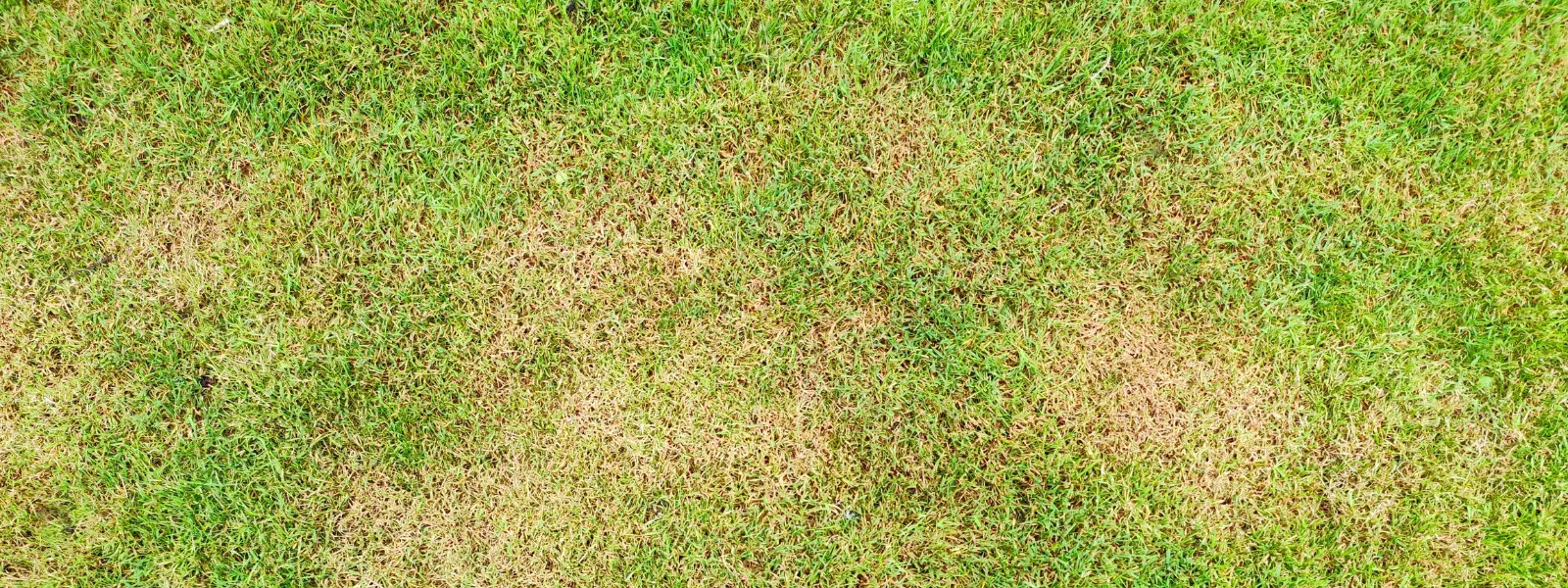
Before a lawn disease takes over your yard, it usually sends subtle signals that something isn't right. These early warning signs often appear as small, isolated changes in your turf's appearance or texture.
Different grass types may show varying symptoms, but certain universal indicators deserve your immediate attention:
- Discoloration: Yellow, brown, or reddish patches appearing suddenly in an otherwise healthy lawn
- Unusual patterns: Circular rings, patches, or streaks that don't match normal growth patterns
- Texture changes: Areas that feel slimy, powdery, or unusually dry compared to healthy grass
Discolored Patches
Yellow, brown, or reddish patches that appear suddenly often indicate fungal activity. These discolored areas may start small, sometimes just a few inches across, before expanding rapidly if left untreated.
Pay special attention to patches that appear in circular or ring-like patterns, as these are classic signs of fungal spread. The edges of these patches may appear darker or have a water-soaked appearance in early stages.
Spots on Grass Blades
Examine individual grass blades for small spots, lesions, or streaking patterns. These markings often appear as dark brown, purple, or black spots with lighter centers. If you notice these signs, it could be leaf spot disease.
When you notice these symptoms, gently pull on affected grass blades, diseased turf will often pull away easily from the soil. Morning dew may highlight these spots, making early morning the ideal time for lawn inspection.
Common Lawn Diseases and Critical Treatment Windows
Understanding which diseases typically affect your region helps you anticipate problems before they become severe. Most lawn diseases have specific environmental conditions that trigger their development.
Brown Patch
Brown patch thrives in hot, humid conditions when nighttime temperatures stay above 65°F. This fungal disease creates circular patches of dead grass surrounded by a darker “smoke ring” border in the early morning.
The critical treatment window is when humidity levels rise consistently above 85% and before patches grow larger than 1–2 feet in diameter. Apply fungicide at the first sign of small brown areas, especially during periods of extended leaf wetness.
To learn more about our restoring brown patches, please visit our Brown Patch Services Page.
Dollar Spot
Dollar spot appears as small, straw-colored spots about the size of a silver dollar that can eventually merge into larger dead areas. It typically emerges when days are warm (60–85°F) and nights are cool with heavy dew.
The ideal lawn disease treatment window is in late spring or early summer when symptoms first appear. Look for hourglass-shaped lesions on individual grass blades as the earliest indicator.
Red Thread
Red thread appears as irregular patches of tan or pink-tinged grass with distinctive reddish-pink threads extending from the leaf tips. This disease flourishes in cool, wet weather (60–75°F) and often targets lawns with low nitrogen levels.
The optimal treatment time is at the first sign of pinkish coloration, typically in spring or fall during extended cool, wet periods. Addressing this disease promptly prevents it from weakening your turf before summer heat stress arrives.
Necrotic Ring Spot
Necrotic ring spot is a soil-borne fungus that primarily affects Kentucky bluegrass and fine fescues. It forms rings or arcs of dead grass, often called “frog-eye” patches because the centers may stay green as the surrounding turf dies back.
The best treatment window is in spring and fall, when the disease is active in the root zone. Proper aeration, balanced fertilization, and improved drainage help reduce recurrence and strengthen your lawn’s resilience.
Rust Lawn Disease
Rust lawn disease produces fine, orange powder on grass blades that can rub off on shoes or mower decks. It commonly develops during late summer or early fall, especially on slow-growing lawns under drought or nutrient stress.
The ideal time to treat rust is at the first sign of orange spores, before the disease spreads. Increasing nitrogen levels and mowing regularly to remove infected blades can help your lawn recover quickly.
Spring Dead Spot
Spring dead spot primarily affects Bermudagrass and other warm-season grasses, showing up as circular, bleached patches that appear after dormancy breaks in spring. The affected areas may remain thin or bare throughout the growing season.
The critical treatment window is in fall, before dormancy, when the fungus is most active in the soil. Applying a targeted fungicide, improving drainage, and avoiding excessive nitrogen in late summer all help prevent recurrence the following year.
For additional resources on identifying and restoring a healthy lawn, explore our expert guide: How to Identify and Repair Lawn Disease ›
Steps to Diagnose Before You Treat
Proper diagnosis ensures you apply the right lawn disease treatment at the right time. Before reaching for fungicide, take these steps to confirm you're dealing with a disease rather than another lawn problem.
Checking Soil Health
Examine your soil for signs of compaction, excessive thatch, or poor drainage. Push a screwdriver into the lawn, if it doesn't easily penetrate 4-6 inches, your soil may be compacted.
Check thatch thickness by removing a small wedge of turf and soil, anything over ½ inch of thatch can harbor disease organisms. Test soil moisture by squeezing a handful, properly moist soil should form a loose ball that breaks apart easily.
Observing Lawn Patterns
Note whether symptoms appear in specific patterns that might indicate non-disease issues:
- Straight lines: Might suggest sprayer problems or mower damage
- Perfect circles: Could indicate fairy ring fungus
- Irregular patches in high-traffic areas: Might simply be wear damage
- Dead centers with green rings: Typically dog urine spots, not disease
Treatment Approaches for Quick Recovery
Once you've identified a lawn disease, prompt action with the right treatment approach is essential. Your strategy should include both immediate lawn disease control measures and practices that create less favorable conditions for disease development.
Fungicides Treatment Solutions
Lawn diseases can spread quickly, but the right fungicide treatment can stop them in their tracks. We offer both contact fungicides, which provide fast-acting protection on the surface of your grass, and systemic fungicides, which move through the plant for longer-lasting defense.
Because every lawn and disease is different, our trained field service representatives evaluate your turf and apply the right products at the right time. We also rotate treatments as needed to prevent resistance, ensuring your lawn gets the most effective protection season after season. With SpringGreen’s professional care, you don’t have to worry about managing fungicide products or timing; your lawn is in expert hands.
Cultural Practices
Adjust your lawn care routine to create conditions that discourage disease development:
- Proper mowing height: Most cool-season grasses at 3-4 inches; warm-season varieties at 1-3 inches
- Smart watering: Deep but infrequent watering in early morning to minimize leaf wetness
- Improved air circulation: Thin nearby shrubs and trees to reduce humidity
- Core aeration: Creates soil openings that improve drainage and reduce compaction
Building Long-Term Disease Resistance
Create a naturally disease-resistant lawn through consistent, proactive care. Our SpringGreen field service professionals apply balanced fertilizer based on soil test results rather than calendar dates.
We also overseed with disease-resistant grass varieties suited to your region and help maintain proper soil pH (typically 6.0-7.0) to optimize nutrient availability and microbial activity. These practices strengthen your lawn's natural defenses against disease pressure year-round.
Ready to Revitalize Your Lawn?
Catching lawn diseases early dramatically improves your chances of quick recovery with minimal damage. Regular inspection, proper identification, and prompt lawn disease treatment are your best defenses against turf diseases.
For personalized treatment tailored to your specific lawn conditions and local climate, we're here to help. Our trained lawn care technicians can identify disease issues before they become severe and recommend the most effective treatment plan for your yard. Find your local SpringGreen service provider today for a customized lawn care program that includes disease prevention and treatment.